
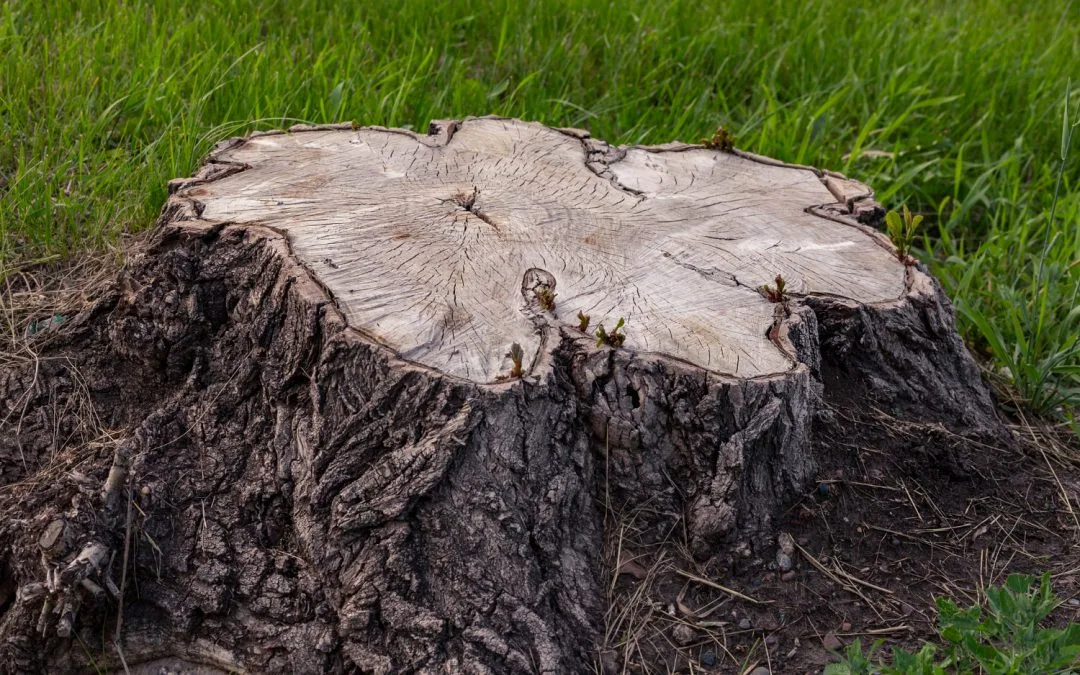
Leaving Old Stumps when a storm sweeps through your property, everything feels uncertain, especially when you are standing outside looking at the scattered debris, broken limbs, and the stubborn stumps left behind. You might wonder whether they can stay put or if dealing with them is worth the time and cost. That hesitation is common, especially when you already have a dozen other storm-related repairs on your plate. In many cases, fast property cleanup solutions can help you regain control of the situation without delaying other essential repairs.
But here’s the surprising truth: ignoring those old stumps can create bigger problems for your business than you might expect. We wrote this to help you understand the real risks and show you the path toward a safer, cleaner, and more professional-looking property—because you deserve clarity and control after a storm, not more chaos.
What Are the Dangers of Leaving Old Stumps After Storm Damage?
Leaving storm-damaged stumps on commercial properties can lead to safety hazards, pest infestations, and rapid regrowth that damages surrounding structures. They can also create legal liability risks for business owners if an injury occurs. Removing them quickly helps protect your landscape, customers, employees, and safe property restoration process and long-term property value.
Hidden Safety Hazards Lurking Around Leaving Old Stumps
You’ve probably stepped around an old stump without thinking twice, but storms change the way these remnants behave. A stump that once felt solid can become unstable, splintered, or loosened from its roots after heavy winds and saturated soil.
When customers, tenants, or employees walk through your property, one misstep could turn into a liability claim. A single accident can cost a business far more than timely stump removal ever would.
Pests See Leaving Old Stumps as Premium Real Estate
Nothing attracts unwanted pests faster than a moist, decaying stump. Termites, carpenter ants, beetles, fungi, and even rodents love setting up shop in old wood. The University of California Statewide IPM Program notes that decaying wood is one of the most attractive environments for destructive insects.
Once pests establish themselves in the stump, they don’t stay confined. They travel into nearby trees, landscaped areas, stored materials, and even the structural wood of your commercial buildings. Instead of dealing with an isolated stump, you now have a full-scale infestation threatening your investment.
Storm-Damaged Stumps Trigger Aggressive Regrowth from Leaving Old Stumps
It’s easy to assume that a cut tree is a dead tree—but many species come roaring back. Storm-stressed stumps often sprout sucker growth, creating weak, fast-growing shoots. These aren’t just unattractive; they drain nutrients, destabilize soil, and can wrap around fencing, signage, and underground utilities.
Over time, this woody regrowth becomes expensive to manage. What could have been a one-time professional stump removal turns into recurring landscape problems that keep coming back season after season.
Old Stumps Interfere with Business Operations
If your business relies on foot traffic, curb appeal, or accessible parking and pathways, every obstacle matters. An old stump takes up space—valuable space your property could use for better signage, safer walkways, or expanded outdoor use.
Customers notice when a property looks neglected. A stump sends the message that storm damage wasn’t addressed thoroughly, and that perception can influence how people view your business overall. When your landscape looks maintained, professional, and intentional, people naturally trust the business behind it.
Hidden Damage Spreads Under the Surface
Leaving Old Stumps another issue many business owners do not realize is how much trouble lies underground, as storm-damaged stumps often have root systems that continue spreading decay. As the roots rot, they can create soft spots in the soil, sinkholes, and shifts in grading—problems that can affect drainage and cause pooling water around buildings.
Improper drainage is one of the leading contributors to foundation issues, mold, and landscape erosion. What looks like “just a stump” on the surface can quietly undermine significant parts of your property’s structure.
Stumps Make Future Landscaping More Expensive
Leaving Old Stumps maybe you want to redesign your outdoor space later, add new trees, expand seating areas, or install lighting. A leftover stump complicates all of that. Its roots make it harder to dig, harder to regrade, and harder to plant.
Professional landscapers often charge more when a stump is left in place because they must work around it or remove it before moving forward. In other words, postponing stump removal becomes more costly the longer you wait.
Environmental Concerns You Shouldn’t Overlook
Decaying organic matter sounds harmless, but storm-damaged stumps break down unevenly. They attract fungi that can spread disease to your healthy trees, especially pathogens like root rot fungi and wood-decay organisms. The USDA Forest Service warns that many of these fungal diseases can spread quickly through landscapes, especially in wet climates.
For businesses in storm-prone regions, maintaining healthy trees isn’t just about appearance; it’s about reducing risk and preserving the long-term health of your property.
Protect Your Property Before the Next Storm Hits by Leaving Old Stumps Behind
You’ve worked hard to build your business, and your property should reflect that strength—not the aftermath of a storm. Old stumps may seem harmless, but they carry risks that compound over time. Addressing them now means fewer surprises later, fewer liability concerns, and a landscape you can feel confident about.
If you’re ready to remove those storm-damaged stumps safely, efficiently, and with expert care, reach out to Jake’s Tree Service. We’re here to help restore your property and keep it looking at its best year-round. Contact us today!